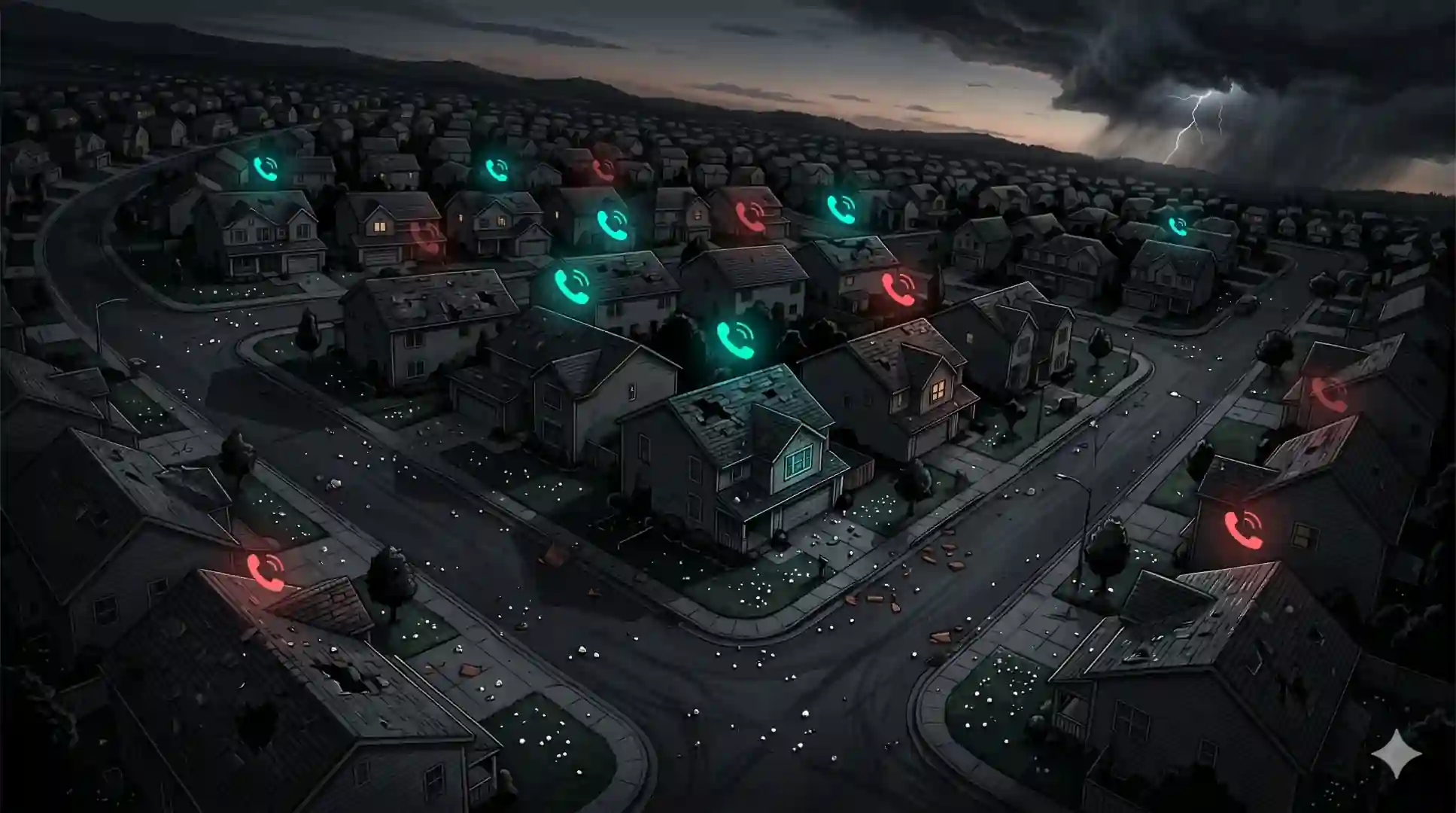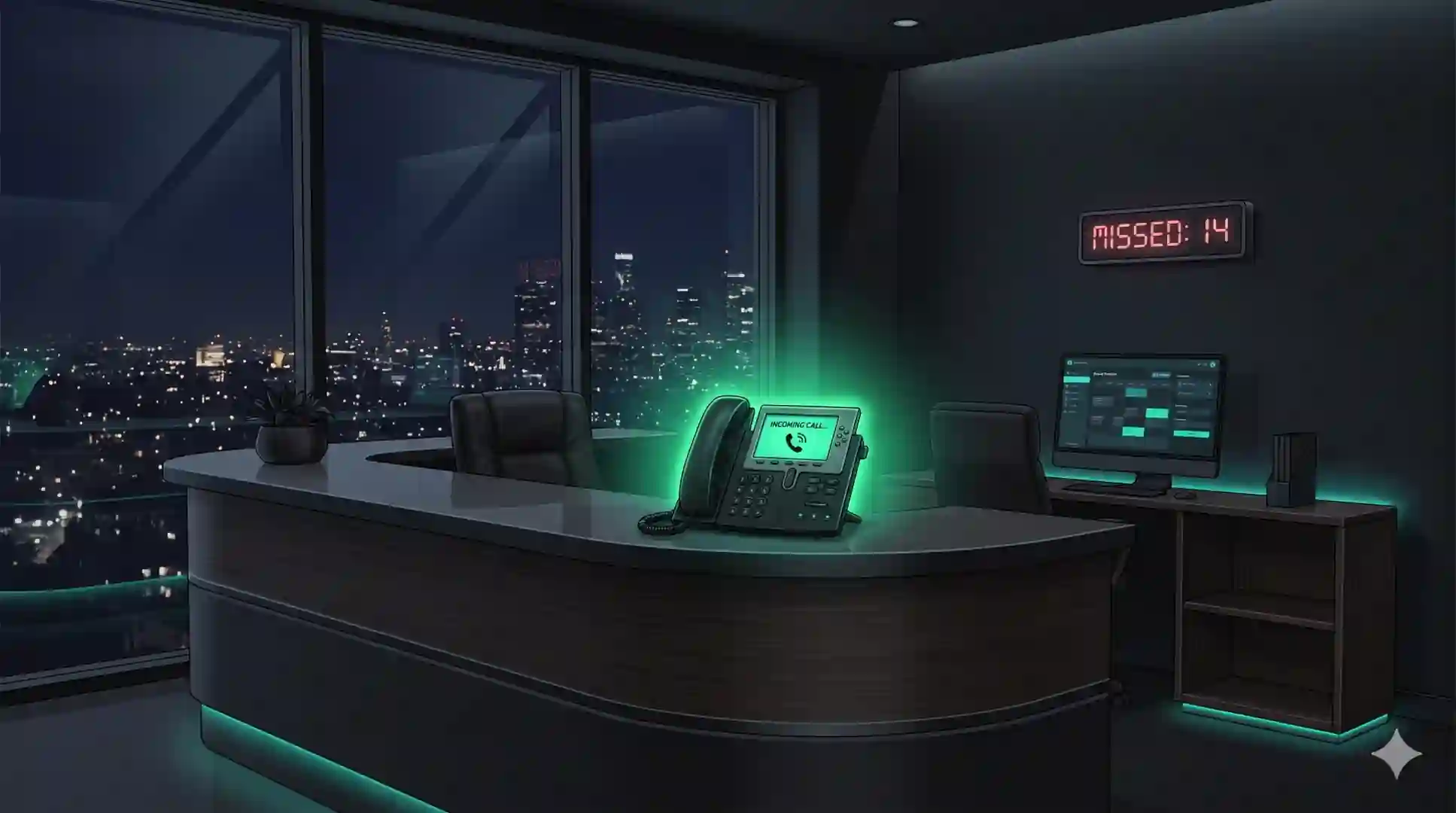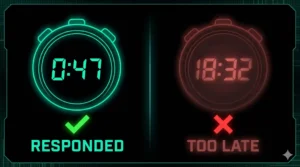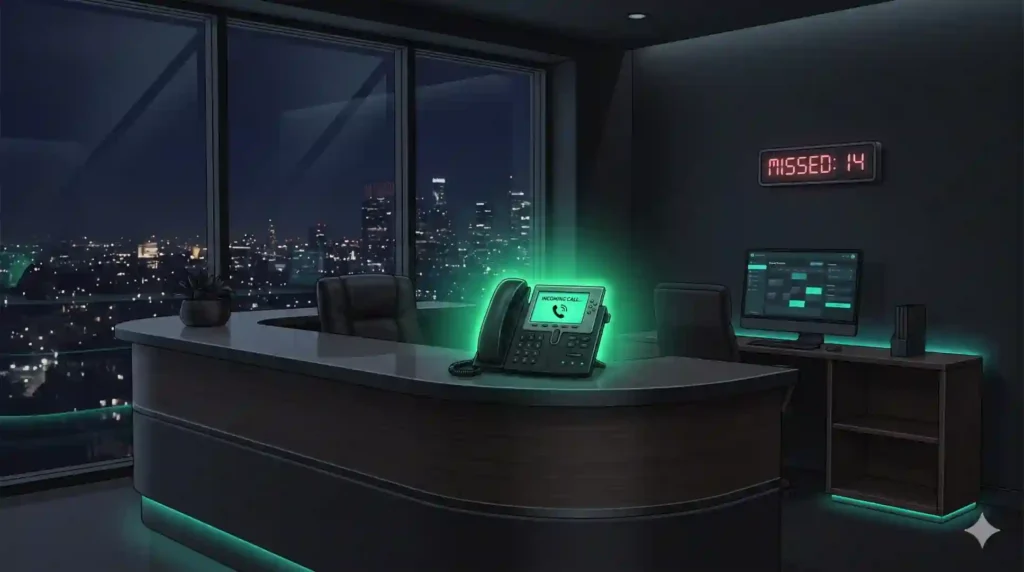
There’s a number your practice management system doesn’t show you. It’s the number of calls that rang, went to voicemail, and never rang again.
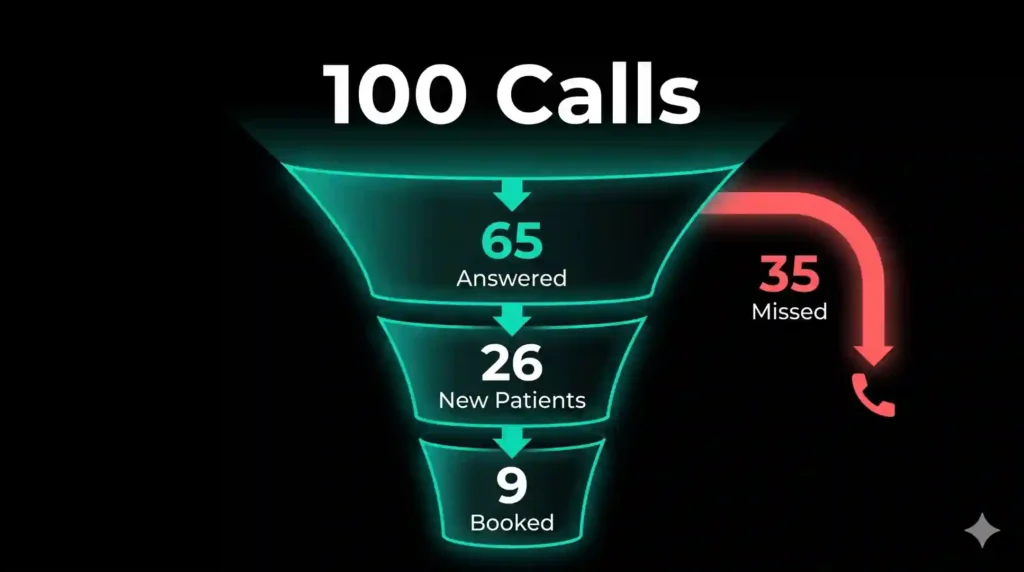
For the average dental practice, that number is about 35% of all inbound calls. During morning huddle, lunch, and the 4 PM rush, it spikes above 50%.
Most practice owners don’t know this because you can’t track a call that didn’t connect. You see the patients who showed up. You don’t see the ones who called, hit voicemail, and dialed the next dentist on Google.
## The math most practices have never run
A new dental patient is worth roughly $850 in their first year — exam, cleaning, x-rays, and the treatment plan that follows. That’s the conservative number. Lifetime value runs $4,000 to $25,000 depending on your practice mix and retention rate.
Now run the math on your missed calls.
If your practice gets 300 inbound calls per month and misses 35% of them, that’s 105 missed calls per month. Not all of those are new patients — roughly 40% of inbound calls are new patient inquiries (the rest are existing patients calling about appointments, insurance, prescriptions). That’s 42 potential new patients per month who heard your voicemail instead of your front desk.
Not all 42 would have booked, of course. Industry data shows about 35% of new patient callers who reach a live person will schedule. So that’s roughly 15 new patients per month your practice could have captured but didn’t.
At $850 per patient first-year value: **$12,750 per month. $153,000 per year.**
And that’s first-year value only. At a $15,000 average lifetime value, you’re looking at over $200,000 in patient lifetime value leaking through voicemail annually.
## When the calls come (and why your front desk can’t catch them all)
The missed calls aren’t random. They cluster around three windows where your front desk is structurally unable to answer:
**Morning huddle (8:00–8:30 AM).** The team is in the back reviewing the day’s schedule. The phone rings at the front desk. Nobody’s there. These are often the most motivated callers — patients with acute pain who woke up and called first thing.
**Lunch (12:00–1:00 PM).** Even if you stagger lunch breaks, call volume during this hour is disproportionately high because it’s when patients on their own lunch break have time to make personal calls. One person covering the desk plus the chair-side phone can’t handle three simultaneous callers.
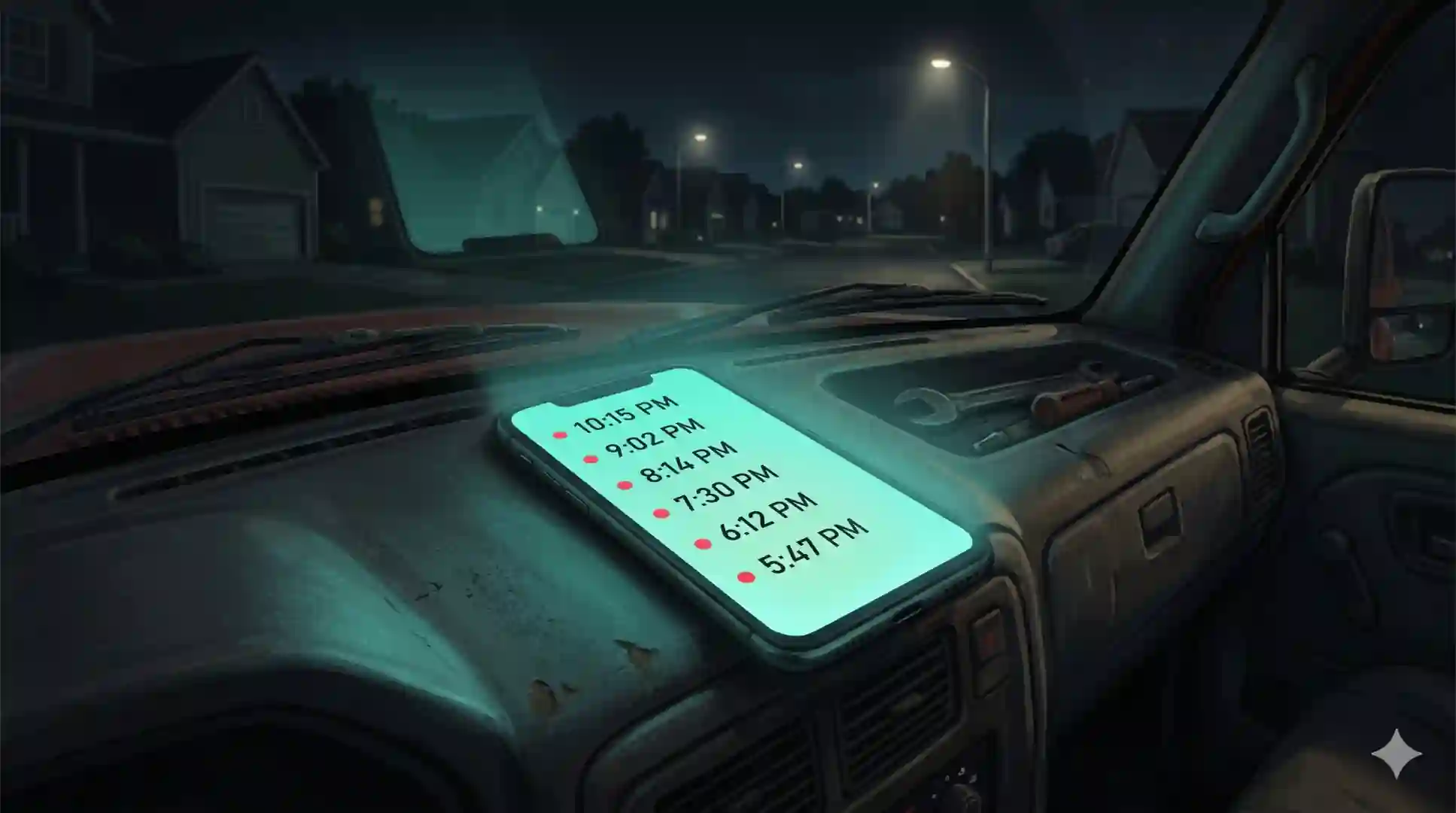
**Late afternoon and after hours (4:00 PM onward).** Your office closes at 5:00 PM. The caller with a cracked tooth at 5:47 PM gets voicemail. They Google “emergency dentist near me” and call the practice that picks up. That’s not your practice.
This is the structural problem. Your front desk isn’t slow or lazy — they’re physically unable to be in two places at once during the exact windows when the most valuable calls come in.
## Why voicemail doesn’t work as a safety net
The instinct is to think “they’ll leave a message and we’ll call them back.” The data says otherwise.
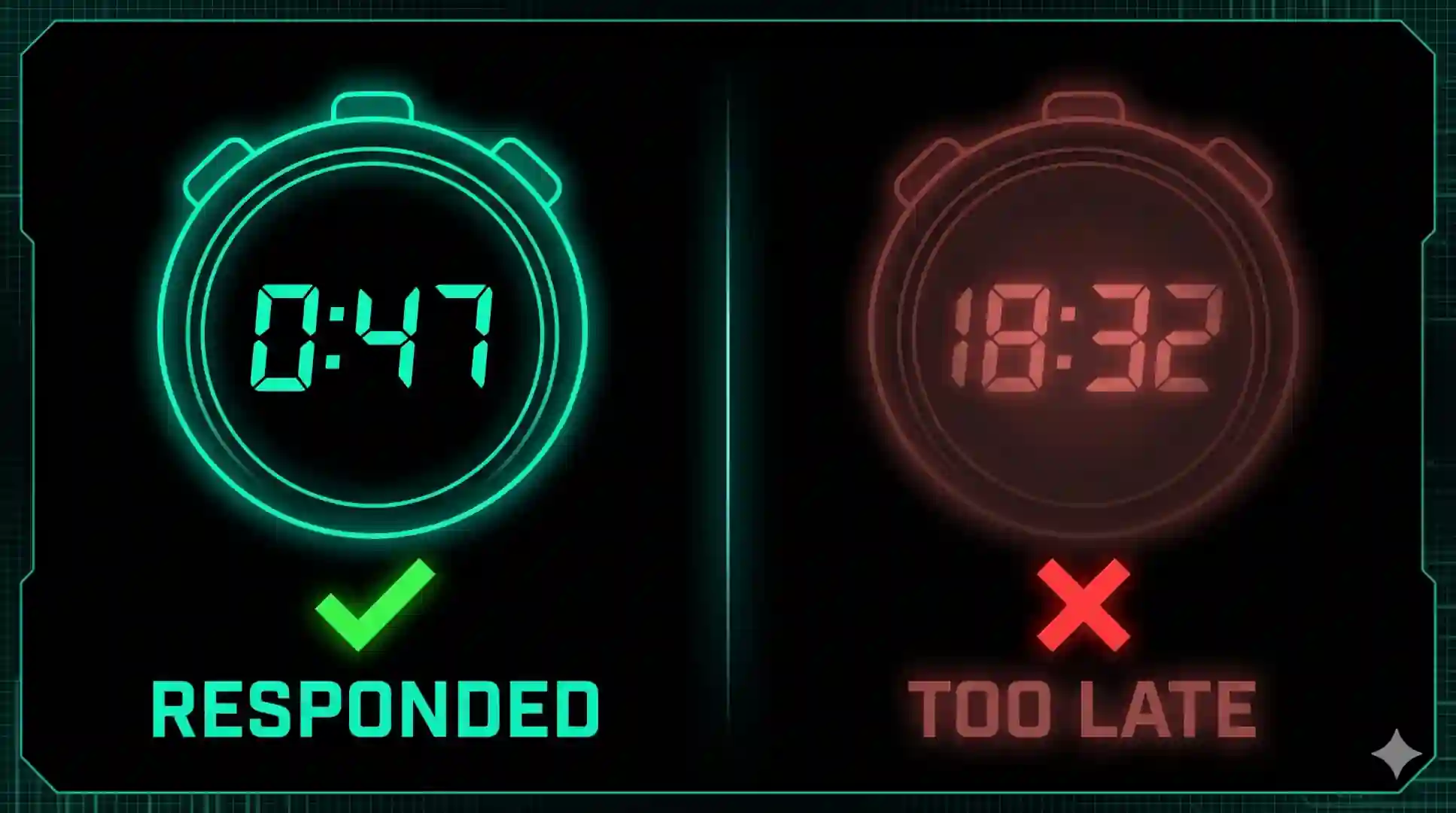
67% of callers who reach a dental practice voicemail call a competing practice immediately instead of leaving a message. They’re in pain, they’re anxious, or they’re comparison-shopping and the first practice to answer wins.
Of the 33% who do leave a message, callback lag averages 4–8 hours at most practices. By then, the patient has already booked elsewhere or their urgency has faded and they decide to “wait and see.”
Voicemail isn’t a safety net. It’s a trap door.
## What actually plugs the leak
The fix isn’t hiring a second front desk coordinator. At $45,000–$60,000 per year fully loaded, that’s an expensive solution to a problem that’s most acute during the exact hours a second hire also can’t cover (after hours, weekends, holidays).
The fix is a system that answers every call, every time — including at 5:47 PM on a Wednesday, at 8:15 AM during huddle, and at noon on Saturday when a patient breaks a crown at brunch.
An AI receptionist trained on dental workflows does four things your voicemail can’t:
**Answers the call.** Not after 4 rings. Not with a menu tree. A conversational voice that sounds like a real front desk coordinator and asks the right questions: “Is this a dental emergency or would you like to schedule a visit?”
**Qualifies the caller.** New patient vs. existing. Urgency level. Chief complaint. Last dental visit. Insurance carrier and member ID. By the time the AI is done, you have a fully-briefed intake form — not a sticky note that says “patient called, please call back.”
**Books the appointment.** Into the right slot type (new patient exam vs. emergency vs. hygiene recall), with the right time block, into your actual calendar. Confirmation sent via SMS immediately.
**Prevents the no-show.** Three-window reminder system: 7 days out, 24 hours out, 2 hours out. Practices that run this protocol typically drop no-show rates from 15–25% down to 4–8%. That’s another 5–10 chair-hours per week recovered.
## The payback math
An AI receptionist system for a dental practice runs $797 to $1,485 per month depending on the scope.
At $850 per new patient first-year value, the system pays for itself with 1–2 captured new patients per month. Most practices are missing 15+ new patient calls per month.
That’s not a hard ROI case. That’s a calculator that runs itself.
## One thing to check today
Pull your phone system’s call log for last month. Count the calls that went to voicemail or rang more than 4 times without an answer. Multiply that number by 0.40 (new patient inquiry rate) × 0.35 (booking rate) × $850 (first-year value).
That’s your monthly leak. Most practice owners who run this math for the first time are surprised by the number.
If you want us to run this analysis for your practice with your actual numbers, book a free 30-minute practice audit. We’ll map where your calls are leaking and calculate exactly what it’s costing you — no obligation.
Book Your Free Practice Audit →
—
*Neuzenix installs AI systems inside dental practices that answer every call, book the appointment, prevent no-shows, and reactivate lapsed recall patients — without adding headcount.